Loading…
Loading…
Concept to manufacturing — Australia & New Zealand
Have an idea for a product and no idea how to have it made? We take it from a sketch to a container: refining the concept, producing the manufacturing documentation, finding and verifying the factory, managing prototyping and production, and importing the finished goods to your door.
No manufacturing experience is needed. It is not assumed, and nothing in the process requires you to already know how any of it works.
A sketch is enough
Bring whatever you have — a drawing, a photograph, a modified part, or a description.
An NDA before you disclose
Ask for one on the brief. The confidential questions are withheld until it is signed.
One point of contact
The same person from the first conversation to the delivery, across every stage.
The process
Six stages, in order, each one closing off the decisions the next one depends on. You can stop after any of them, and what you have paid for is yours to take elsewhere.
A sketch is enough to start
From an idea to a file a factory can build from
The right factory, not the first one that answers
Hold it before you order five thousand
Checked while the balance is still unpaid
China to your door, in Australia or New Zealand
A sketch is enough to start
Every product begins as something less than a product — a drawing on the back of something, a photograph of the nearest thing that already exists, a part you have modified by hand, or a description that has only ever been spoken out loud. Bring whatever you have. This stage decides whether it can be made, roughly what it would cost to make, and what has to be settled before anyone draws anything.
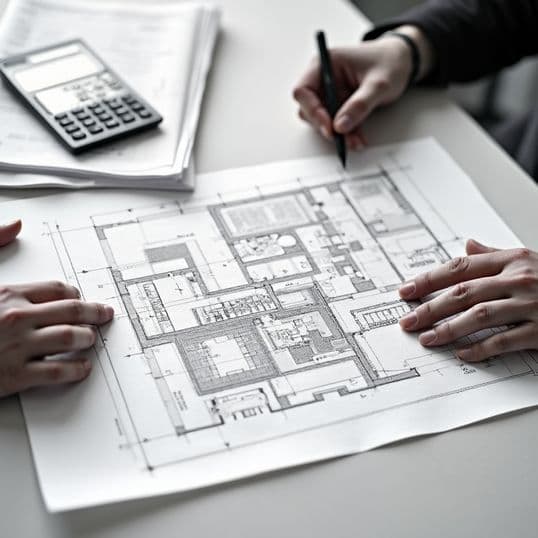
From an idea to a file a factory can build from
A factory cannot quote a description, and it cannot make the same thing twice from one. This stage turns your concept into the drawings, models and specifications a manufacturer needs — dimensions with tolerances, materials named to a standard, components identified by part number, finishes specified, and a bill of materials that ties all of it together.
The right factory, not the first one that answers
The factory decides most of what happens next — your unit cost, your lead time, your defect rate, and whether a problem in month eight gets fixed or argued about. This stage identifies manufacturers that match your product, your volume and your quality expectations, and verifies that they are what they say they are before anything is committed.
Hold it before you order five thousand
A prototype is the last cheap opportunity to be wrong. Before tooling is cut and a production run is committed, the product is made as a physical sample so you can handle it, test it, show it to the people who will buy it, and change what needs changing while changing it still costs very little.
Checked while the balance is still unpaid
Production runs against the approved sample and the agreed specification, with the schedule tracked and the factory in regular contact. Inspection happens in China, before the container sails and while you still hold the balance payment — which is the only point at which a problem is an adjustment rather than a dispute with a company in another country.
China to your door, in Australia or New Zealand
Finished goods are consolidated, booked and shipped, with the commercial documentation prepared for the border. Sea or air, full container or part, delivered to a port or to your warehouse — the arrangement is chosen against your volume and your timeline rather than against whatever is easiest to book.
The range
The process is the same whether the product is a moulded consumer item or a fabricated machine. What changes is the tooling, the certification pathway and how many sample rounds it takes to get right.
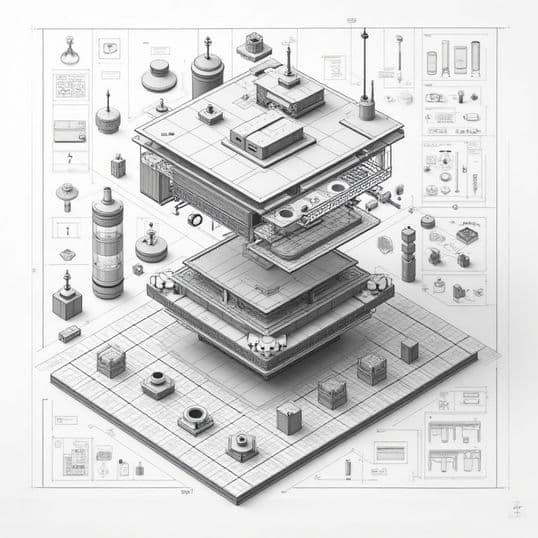
Consumer and commercial


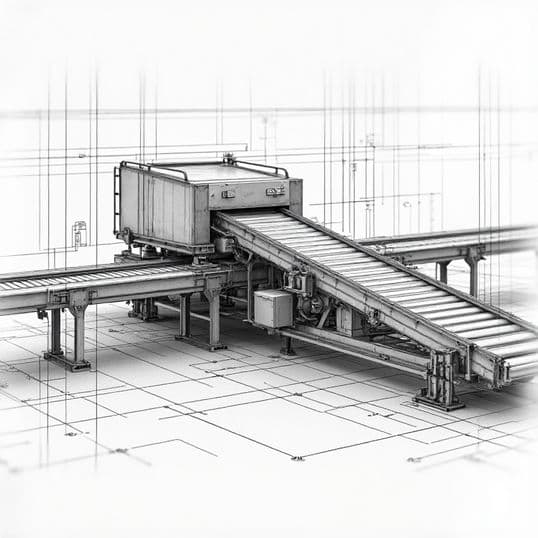
Industrial and equipment


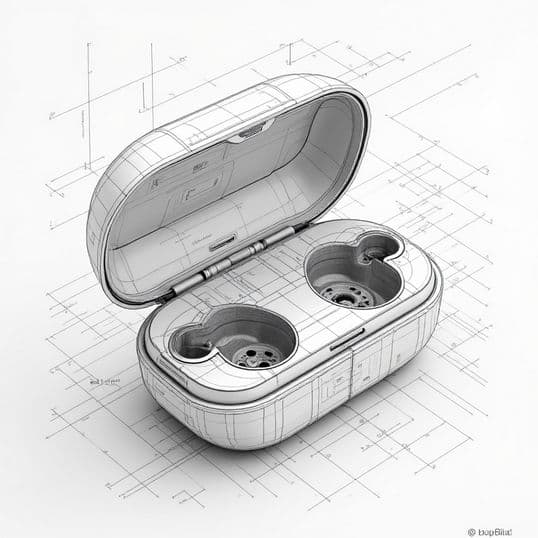
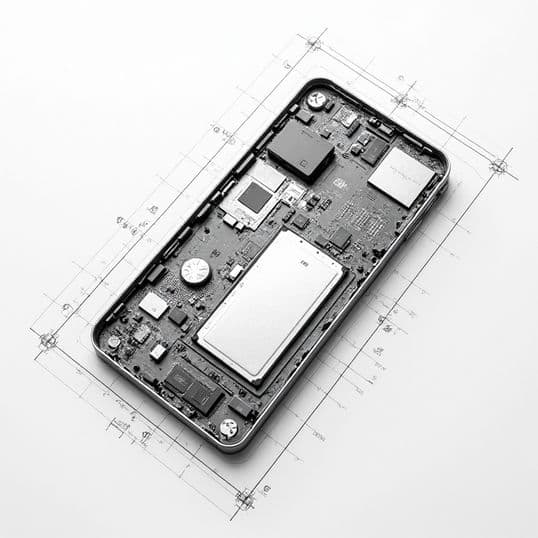
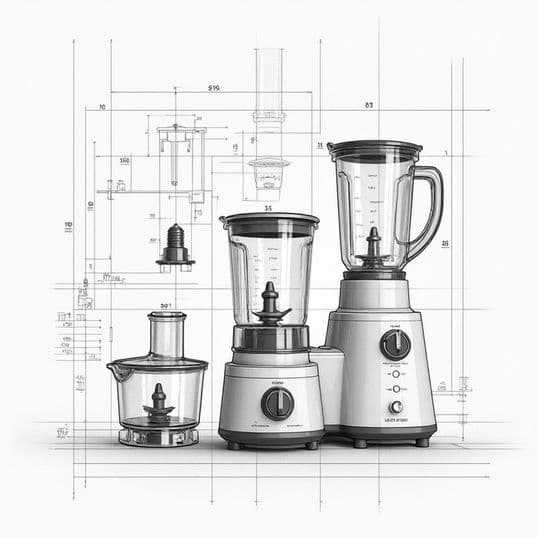
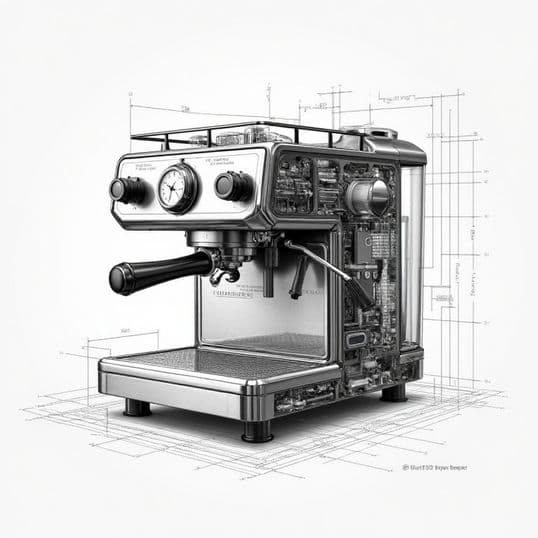
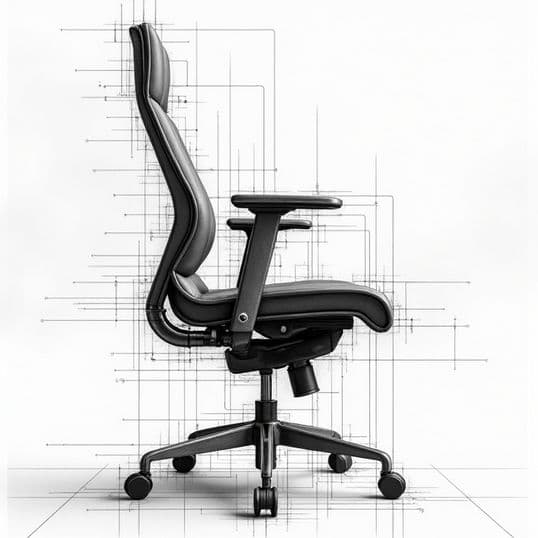
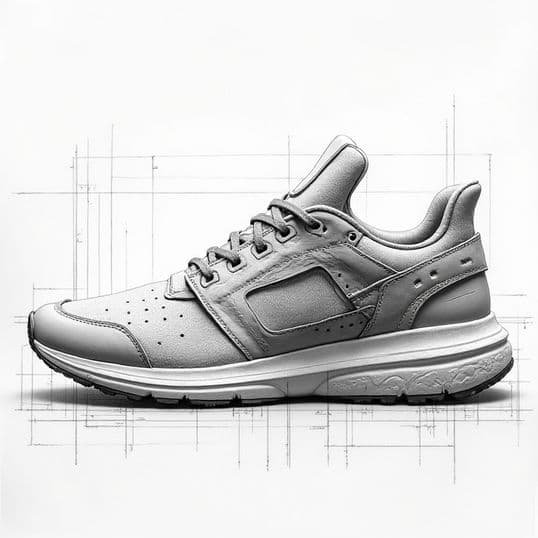
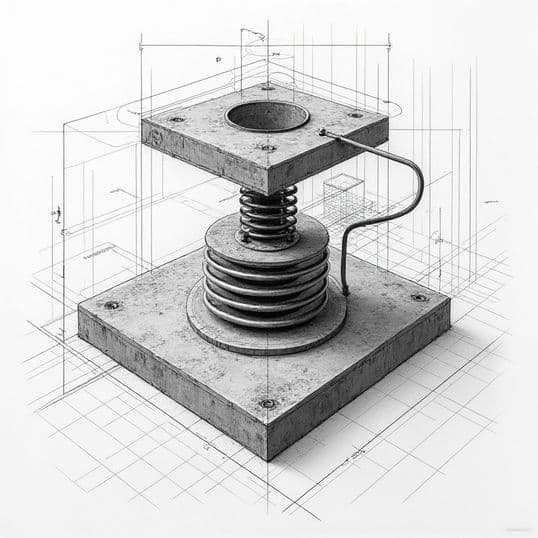
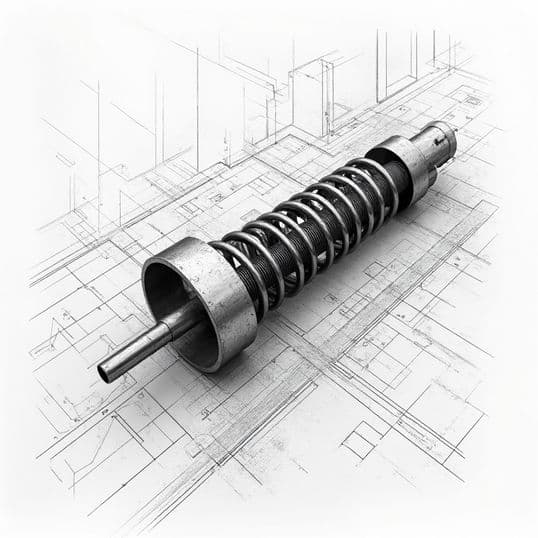
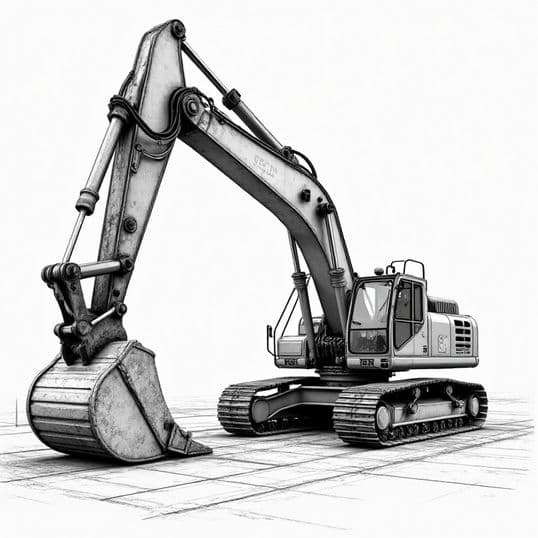
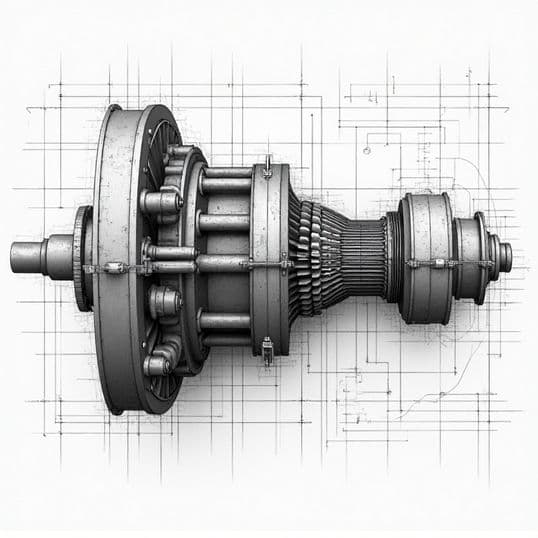
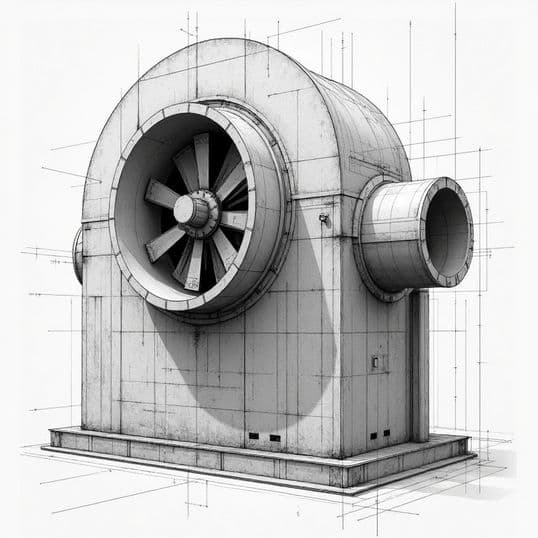
Illustrative. These are drawings of the kinds of product this process suits, not a portfolio of past work — we do not publish clients' products, and yours would not appear here either.
Why this way
Finding someone who will make your product is the easy part. Getting the same product back twice, at a price that still works at volume, through a border that has rules about it — that is where first-time projects come apart, and almost always for reasons that were decided months earlier.
The tech pack is the asset
A complete manufacturing package means you can change factories without starting again. Without one, your product only exists inside whichever factory made it last.
Problems are cheapest early
A wall thickness caught in design costs a revision. Caught at the prototype it costs a sample round. Caught in your warehouse it costs the container.
Checked before the balance is paid
Inspection happens in China while the goods are still there and you still hold the balance payment. That is the only point at which a fault is an adjustment rather than a dispute.
Ownership settled in writing
Who owns the design files, and who owns the tooling. Both are agreed at the quotation stage, because both are very hard to renegotiate afterwards.


.jpg&w=3840&q=75)
Fees
There is no price list, because a product is not a package. A simple injection-moulded part and a mains-powered appliance with a certification pathway are different projects with different risks, and quoting them the same way would mean overcharging one of them.
Once we understand the product we quote design and documentation as a fixed fee. Tooling, samples and production are quoted by the manufacturer and passed on at cost, with our management fee stated separately rather than buried in the unit price.
How billing works
Questions